



Our Work
Quantifying the Climate Risk in Canada’s Housing Crisis
Climate Risk Analysis
The climate risks associated with new housing in Canada technical report
The Problem
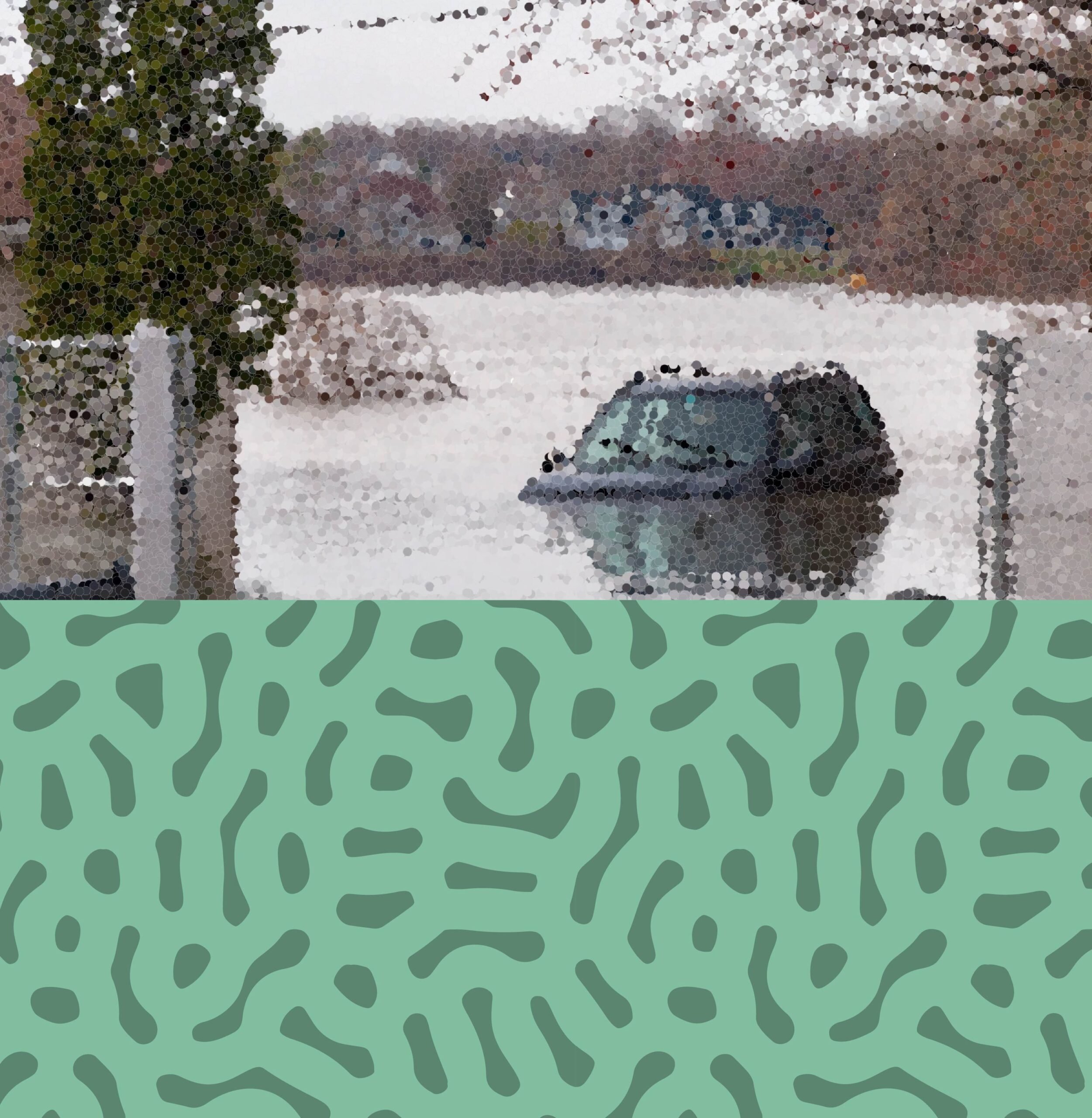
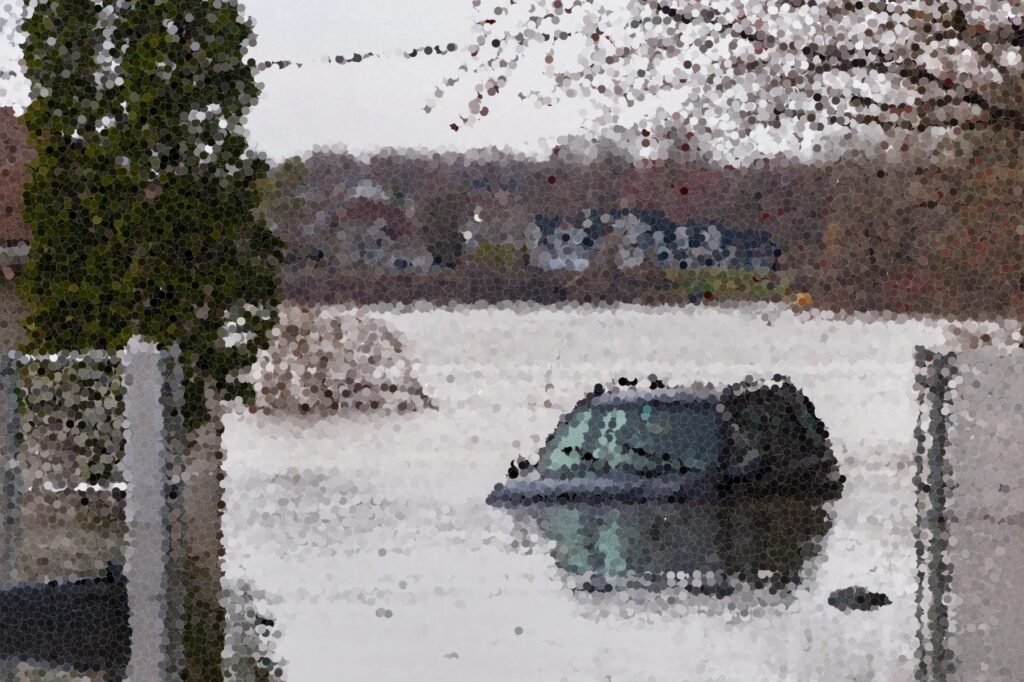
Canada plans to build 5.8 million new homes by 2030 to help address the housing affordability crisis. However, a disproportionate amount of these new homes are slated to be built in high risk flood and wildfire zones. What is the cost of doing nothing to account for these hazards?
The Problem
Can Canada build 5.8 million affordable and climate resistant homes by 2030?
540k+
homes at risk of being built in flood hazard zones by 2030
92%
of new wildfire losses could occur in just 20 municipalities, 16 of which would be in B.C.
The Solution
Drawing on specialized flood risk data and wildfire risk data as inputs, SSG modelled the potential financial costs to future housing developments with ScenaAdaptation. The spatial analysis provided by ScenaAdaptation helps communities prepare for extreme weather and other hazards related to global heating.
Our analysis found that failure to consider climate risks when building new homes could cost Canadians up to $3 billion annually in damages from floods and wildfires. At the same time, our modelling showed that even a small shift in development away from high-risk flood areas can have a significant impact. Redirecting just 3% of homes targeted for construction by 2030 away from these hazardous zones could reduce flood risk to new homes across the country by nearly 80%. It’s a move that would benefit all Canadians by reducing higher insurance premiums and tax-funded disaster recovery efforts.
The Outcome
SSG’s analysis found:
$3.1B
in costs from climate hazards can be avoided
80%
of flood risk can be avoided by just redirecting 3% of new development
The most affordable home is the one you don’t have to keep rebuilding
Close to Home: How to build more housing
in a changing climate, Canadian Climate Institute
Contact Us
We can help you address the climate crisis and navigate the energy transition